
Pomegranate- Complete profile
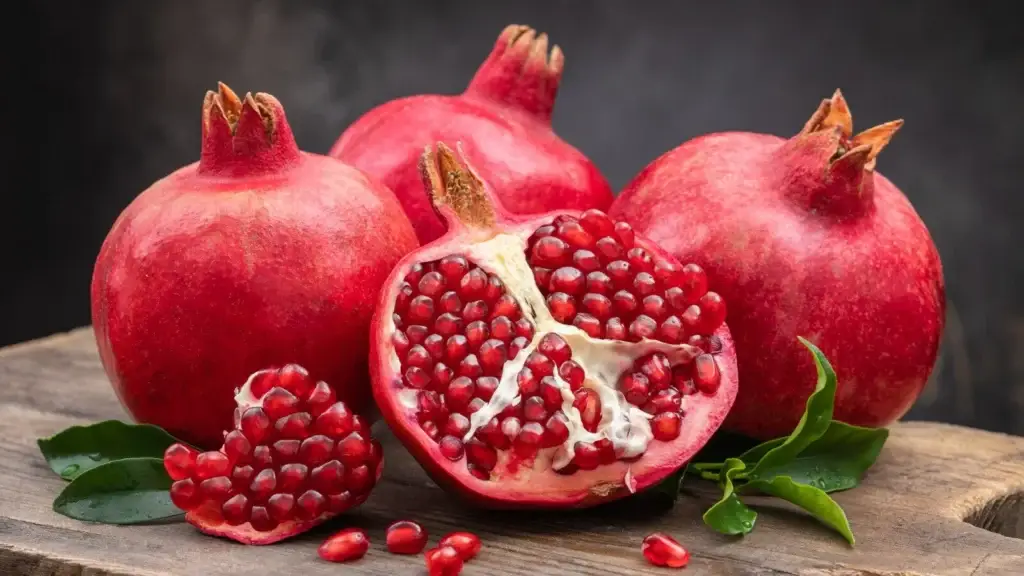
Kingdom: Plantae Sub Kingdom: Tracheobionta (Vascular plant) Super Division: Spermatophyta (Seeds plant) Division: Magnoliophyta (Flowering) Class: Magnoliopsida (Dycotyledons) Sub Class: Rosidae Order: Myrtales Family: Punicaceae Genus: Punica Species: P. granatum Binomial name: Punica granatum
Description (Mahiyat):
| Category | Description |
|---|---|
| Botanical Name | Punica granatum Linn |
| Family | Punicaceae |
| Arabic Name | Rumman |
| Persian Name | Anar |
| Bengali Name | Mitthu |
| Source | Botanical/Plant-based (Nabati) |
| Parts Used | Seeds, Peel, and Root bark |
| Temperament | Cold and Moist (I); Peel is Cold and Dry (I) |
| Main Benefit | Tonic for heart and liver |
| Harmful for | People with a cold temperament |
| Corrective | Ginger (Adrak) |
| Dosage | 20–50 grams |
Habitat: It grows in Pakistan, India, Iran, Afghanistan, Central Asia, Africa, and Japan. The Kandahari pomegranate from Afghanistan is world-renowned.
Types: It is a famous fruit categorized into three types based on taste:Type Nature (Mizaj) Main Benefits Sweet (Shireen) Cold & Moist (1st°) Tonic for Heart/Liver, produces pure blood, relieves cough. Sour-Sweet (Maykhosh) Cold & Moist (1st°) Best for bile (Safra), reduces heat, stops vomiting. Sour (Tursh) Cold & Moist (2nd°) Stops diarrhea, quenches thirst, used in stomach powders.
Summary
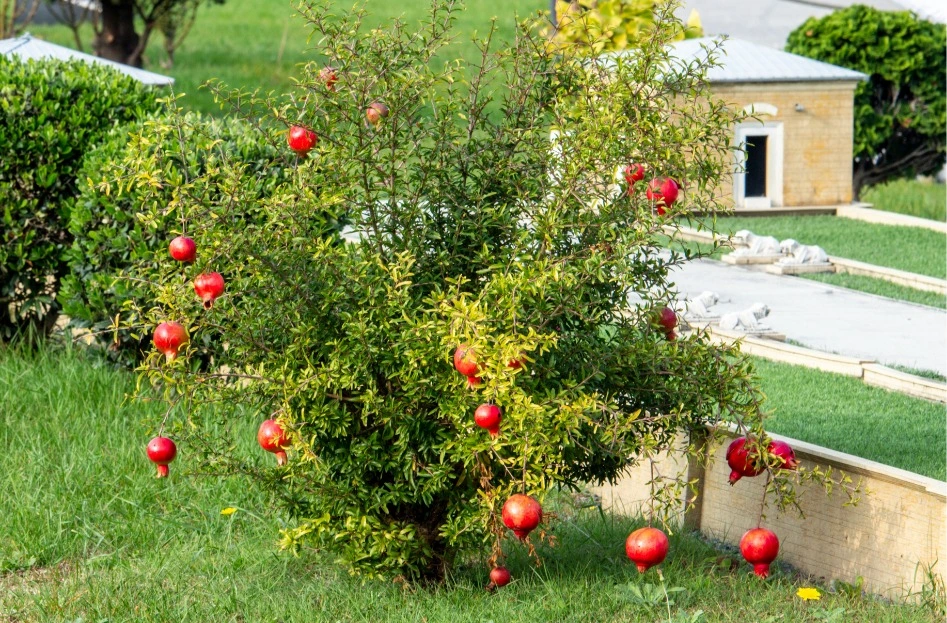
Tree Description & Habitat
- Height: Approximately 10 feet.
- Bark: Thin, brownish-yellow.
- Flowers: Beautiful red tubular flowers (Gulnar), mostly in March-April.
- Fruit Season: July to August.
- Main Locations: Pakistan, India, Iran, Afghanistan (Kandahari Anar is famous), Central Asia, Africa, and Japan.
Detailed Medicinal Uses
1. Sweet Pomegranate (Anar Shireen)
- Arabic: Rumman Hulu | Hindi: Meetha Anar
- Temperament (Mizaj): Cold and Moist (1st Degree).
- Actions: Tonic for the heart and liver, soothes the chest and throat, relieves heat, and acts as a mild diuretic.
- Uses: Widely used as a fruit. While it provides moderate nutrition, the blood produced from it is refined (latif). It is highly beneficial for those with a “hot” temperament. It strengthens the liver and heart, relieves cough and dryness of the throat/chest, and is useful in jaundice. Pomegranate juice is a light, nutritious food. Concentrated (thickened) juice is used as an eye application to improve vision.
- Specific Benefit: Blood producer and liver tonic.
- Harmful Effects: Can cause flatulence.
- Correctives (Musleh): Mastagi (Mastic), Sour pomegranate, or Ginger preserve.
- Substitute (Badal): Sour-sweet pomegranate.
- Dosage: 2 to 5 Tolas (approx. 24ml to 60ml) of juice as medicine.
- Famous Compounds: Sharbat Anar Shireen, Jawarish Anarayn.
summary
- Best For: Strengthening the liver and heart.
- Uses: Useful in Jaundice (Yarqan) and chest dryness. Thickened juice can be applied to eyes to improve vision.
- Caution: Can cause gas/bloating (Nafakh).
- Corrective (Musleh): Ginger preserve (Adrak ka murabba) or Mastagi.
2. Sour-Sweet Pomegranate (Anar Maykhosh)
- Arabic: Rumman Muz | Hindi: Khatta Meetha Anar
- Temperament: Cold and Moist (1st Degree).
- Actions: Calms the boiling of bile (safra) and blood, mild diuretic, heart and liver tonic.
- Uses: Similar to the sweet variety but more potent. It is excellent for those with a bilious (safrawi) temperament. It treats bilious fevers, jaundice, palpitations, and internal heat. It quenches thirst and stops nausea/vomiting. If extracted with the peel and mixed with sugar, it helps with bilious diarrhea, itching, and hiccups.
- Specific Benefit: Sedative for bile and blood agitation.
- Harmful Effects: Potentially harmful to those with a “cold” temperament.
- Corrective: Ginger preserve.
Summary
- Best For: Reducing internal heat and “boiling” of blood.
- Uses: Excellent for hiccups and nausea. When cooked until thick, it helps with eye lid wounds and itching.
3. Sour Pomegranate (Anar Tursh)
- Temperament: Cold and Moist (2nd Degree).
- Actions: Astringent (Qabiz), tonic for the stomach/heart/liver, quenches thirst.
- Uses: Used to stop bilious diarrhea and reduce stomach heat. It is an ingredient in stomach powders (Churan). When applied to the eye, it helps with pterygium (Nakhuna) and cataracts (Sabal).
- Specific Benefit: Relieves inflammation and heat of the stomach and liver.
- Harmful Effects: May cause intestinal ulcers or weaken libido.
- Corrective: Sweet pomegranate or Ginger preserve.
Summary
- Best For: Stopping loose motions (diarrhea).
- Uses: Used for stomach inflammation.
- Caution: Not good for sexual health or those with intestinal ulcers.
4. Pomegranate Seeds (Anardana)

- Temperament: Cold and Dry (1st Degree).
- Actions & Uses: Strongly astringent. Ground with water, it is used for diarrhea and dysentery. It strengthens the stomach and aids digestion, which is why it is a staple in digestive powders. It helps with nausea and excessive thirst.
- Corrective: Cumin (Zeera).
- Substitute: Sumac.
Summary
- Nature: Cold & Dry.
- Benefits: Highly effective for digestion. Used in “Churan” for stomach strength.
- Substitute: Sumac (Samaq).
5. Pomegranate Bark/Peel (Post-e-Anar)

- Temperament: Cold and Dry (1st Degree).
- Actions: Astringent, stops bleeding (styptic), drying agent, and resolves inflammations (especially throat).
- Uses: Used as a tooth powder or mouthwash for loose teeth and mouth ulcers. A decoction is used as a gargle for throat swelling. It is used to treat chronic diarrhea, prolapse of the rectum (as a sitz bath), and excessive menstrual bleeding. For whooping cough in children, it is given as a decoction with Ajwain and black salt.
- Specific Benefit: Astringent and useful for hemorrhoids.
Summary
Uses:
- Gargle: For throat swelling and mouth ulcers.
- Powder: For stopping internal bleeding (piles/periods).
- Kids: Used for Whooping Cough (Kali khansi) with black salt and Ajwain.
6. Pomegranate Root Bark (Post-e-Beekh-e-Anar)
- Actions: Kills intestinal worms (Anthelmintic), heals throat pain.
- Uses: Specifically used to expel tapeworms (Hab-ul-Qara).
- Method: The patient is given Castor oil at night. The next morning, a decoction of the root bark is given in four doses at one-hour intervals, followed by another dose of Castor oil to expel the worms.
- Specific Benefit: Kills intestinal parasites.
Summary
- Main Action: Kills stomach worms (especially tapeworms).
- Dose: 5 to 7 Mashas.
7. Pomegranate Flower (Gulnar)

- Description: These are buds from the “wild” pomegranate tree which does not bear fruit. The Persian variety (Gulnar Farsi) is the most popular.
- Temperament: Cold (1st Degree) and Dry (2nd Degree).
- Actions: Astringent, stops bleeding, drying agent, and repellent (Radea) for inflammations.
- Uses: Used as a paste for early-stage swellings. As a tooth powder, it stops gum bleeding. It is taken as a powder for vomiting blood, bilious diarrhea, and excessive menstruation. It is also applied to wounds and ulcers to dry them out.
- Harmful Effects: May cause headaches or blockages.
- Corrective: Katira (Tragacanth).
Summary
- Description: Buds of wild pomegranate (Persian variety is best).
- Benefits: Stops bleeding gums (used in toothpowders) and helps in healing wounds.
- Harmful Effect: Can cause headaches in some people.
Famous Herbal Compounds

- Sharbat Anar Shireen (For energy and heart).
- Jawarish Anarayn (For digestion and nausea).
- Jawarish Pudina (For stomach health).
Breakdown of Pomegranate Treatment for Various Disease
1. Stomach & Digestive Issues
- Indigestion & Poor Appetite: Use a powder (Churan) made of Anardana (dried seeds), salt, and black pepper. It strengthens the stomach and helps digest food quickly.
- Nausea & Vomiting: Drinking the juice of a Sour-Sweet Pomegranate (Anar Maykhosh) provides instant relief.
- Hiccups: Drinking the extract of Sour-Sweet Pomegranate helps stop persistent hiccups.
- Intestinal Worms: The Root Bark (Post-e-Beekh) is the best remedy. Drinking its decoction on an empty stomach kills and expels parasites (like tapeworms).
2. Blood & Heart Conditions
- Anemia (Lack of Blood): Eating Sweet Pomegranates daily produces fresh, healthy blood and removes weakness after illness.
- Heart Palpitations: Pomegranate syrup (Sharbat) or Jawarish Anarayn strengthens the heart and reduces internal heat.
- High Blood Pressure: The juice helps calm the “boiling” of blood and maintain normal pressure by cooling the system.
3. Mouth & Throat Problems
- Sore Throat: Boil the Pomegranate Peel (Post-e-Anar) in water and use it for gargling.
- Bleeding Gums: Rub the powder of Pomegranate Flowers (Gulnar) or the dried peel on the teeth and gums. It stops bleeding and strengthens loose teeth.
- Mouth Ulcers: Applying the powder of Flowers directly on ulcers helps them heal faster.
4. Women’s Health
- Heavy Menstrual Bleeding: Taking the powder of Gulnar (flowers) or the peel with water helps control excessive bleeding.
- Leucorrhoea: The flower powder is also highly effective for treating this condition.
5. Other Health Benefits
- Chronic Cough: Sucking on a small piece of Pomegranate Peel provides relief. For children with Whooping Cough, a decoction of the peel mixed with a pinch of black salt is very effective.
- Skin Itching: For itching caused by heat or bile, drinking the juice of a Sour-Sweet pomegranate is very beneficial.
- Weak Eyesight: Cook the juice of a sweet pomegranate until it becomes thick (like a paste). Applying this like eyeliner (Surma) is said to improve vision.
⚠️ Important Precautions
Cold Temperament: People who catch colds or flu easily should avoid the sour variety.
Correctives: If pomegranate causes gas or bloating, take it with a little Dry Ginger (Sonth) or Cumin (Zeera).
Dosage:
- Juice: 25ml to 60ml (as a medicinal dose).
- Powder: 3 to 5 grams.
Pomegranate- Essential medical keyphrases
Part of Pomegranate Key Medical Benefit Sweet Pomegranate Blood Producer: Creates fresh blood and strengthens the heart & liver. Sour-Sweet Pomegranate Calming Agent: Stops nausea, vomiting, hiccups, and reduces bile. Sour Pomegranate Astringent: Stops diarrhea and cures intense stomach heat. Seeds Digestive Tonic: Strengthens the stomach and aids food digestion. Peel Respiratory Relief: Cures sore throat, chronic cough, and bleeding gums. Flower Wound Healer: Stops internal bleeding and heals mouth ulcers. Root Bark Parasite Killer: Specifically used to kill and expel intestinal worms.
Nutrients Value
Nutrients Value Vitamins & Minerals Value Energy 83 Calories Choline 7.6mg Carbohydrate 18.7 g Vitamin C 10.2mg Sugars 13.67 g Vitamin E 0.6mg Dietary fibre 4 g Vitamin K 16.4mg Fat (Charbi) 1.17 g Calcium 10mg Protein 1.67 g Iron 0.3mg Vitamin B₁ 0.067mg Magnesium 12mg Vitamin B₂ 0.053mg Manganese 0.119mg Vitamin B₃ 0.293mg Phosphorus 36mg Vitamin B₅ 0.377mg Potassium 236mg Vitamin B₆ 0.075mg Sodium 3mg Folate (B₉) 38µg Zinc 0.35mg
Chemical Constituents:
Oleanotic acid, Ursolic asid, Palmitic acid, Tricin, Catechin, Rutin, Apigenin, Apigenin-7-0-glucoside, 2S, 3S, 4S-Trihydroxy pentanoic acid, gallic acid, beta-sitosterol, daucosterol.
Bioactivity:
Anti oxidant, Anti cancer, Anti inflammatory, Anti bacterial.
Indication:
Cancer, Osteoarthritis, Sore throats, Cough, Urinary infection, digestive disorder, Skin disorders, Arthritis, To expel tapeworms, Prostate cancer, Skin cancer, Diabetes, Heart diseases, Heart attack & Heart stroke, Jaundice, Diarrhoea.
Important Note: This is for informational purposes only. Before using this as a treatment for any medical condition, please make sure to consult a doctor.
FAQ
Which pomegranate is best for liver weakness?
Sweet pomegranates are the best choice for strengthening the liver. Additionally, they help the body produce fresh and healthy blood.
Can pomegranates stop diarrhea?
Yes, sour pomegranates are highly effective for this purpose. Specifically, their cold and sour nature helps in stopping diarrhea and reducing stomach inflammation.
How can I get rid of stomach worms?
You should use a decoction made from the root bark of the pomegranate tree. In fact, this is a traditional remedy to kill intestinal worms (Hab-al-Qara) effectively.